
Fraternities are the foremost subject-matter experts on young men and have been since America’s founding. In fact, that expertise spans the full arc of a man's adult life, from the moment he arrives on a college campus through every stage after.
What critics consistently miss is what fraternity actually is. Fraternity is not simply a four-year social experience. It is lifelong support, a group of peers who hold each other accountable, a framework for leadership, and a model of manhood built on service, scholarship, and lasting brotherhood. These are organizations who hold young men to a standard and produce men who meet it. The success of fraternities are not accidents of affiliation, but instead, are the result of hundreds of years of institutional knowledge about what young men need to thrive.
That is the real fraternity story.

Fraternities have spent two and a half centuries developing young men across every stage of their lives. Fraternities understand what young men need academically, professionally, socially, and personally. They know how to hold young men accountable. They know how to teach leadership. They know how to build communities that last. They know how to ensure men feel heard, valued, and respected. No other group has invested more time into understanding and serving young men. That authority should shape how we think about young men's challenges and how we solve them.
Young men today lack mentorship, belonging, structure, and a clear path forward. Fraternities exist exactly to solve this problem. They organically provide what young men desperately need: peer accountability, male guidance, a framework for success, and a community that lasts for life. In a world where young men are increasingly isolated, fraternity authentically offers the proven institutional model for helping them thrive.


The answer to improving young men's outcomes is not to limit fraternity. It is to expand it. Young men who are members of fraternities report stronger academics, deeper friendships, clearer career paths, and built-in support systems that sustain them for life. They are happier people, better students, and engaged citizens. These outcomes are real, backed by data, and confirm that young men should have access to the fraternity that best suits them.
Years of chapter meetings, officer roles, and managing relationships with advisors and administrators give fraternity men fluency in professional and personal settings. They learn how to manage organizations, plan effectively, and mediate conflict. The skills learned at a fraternity chapter are the kinds of skills employers seek but aren't taught in classrooms. And the fraternity alumni network is one of the most useful assets a young man carries into his career. Brothers hire brothers, make introductions, and open doors in ways that no career center or LinkedIn connection can replicate. That professional value does not expire.

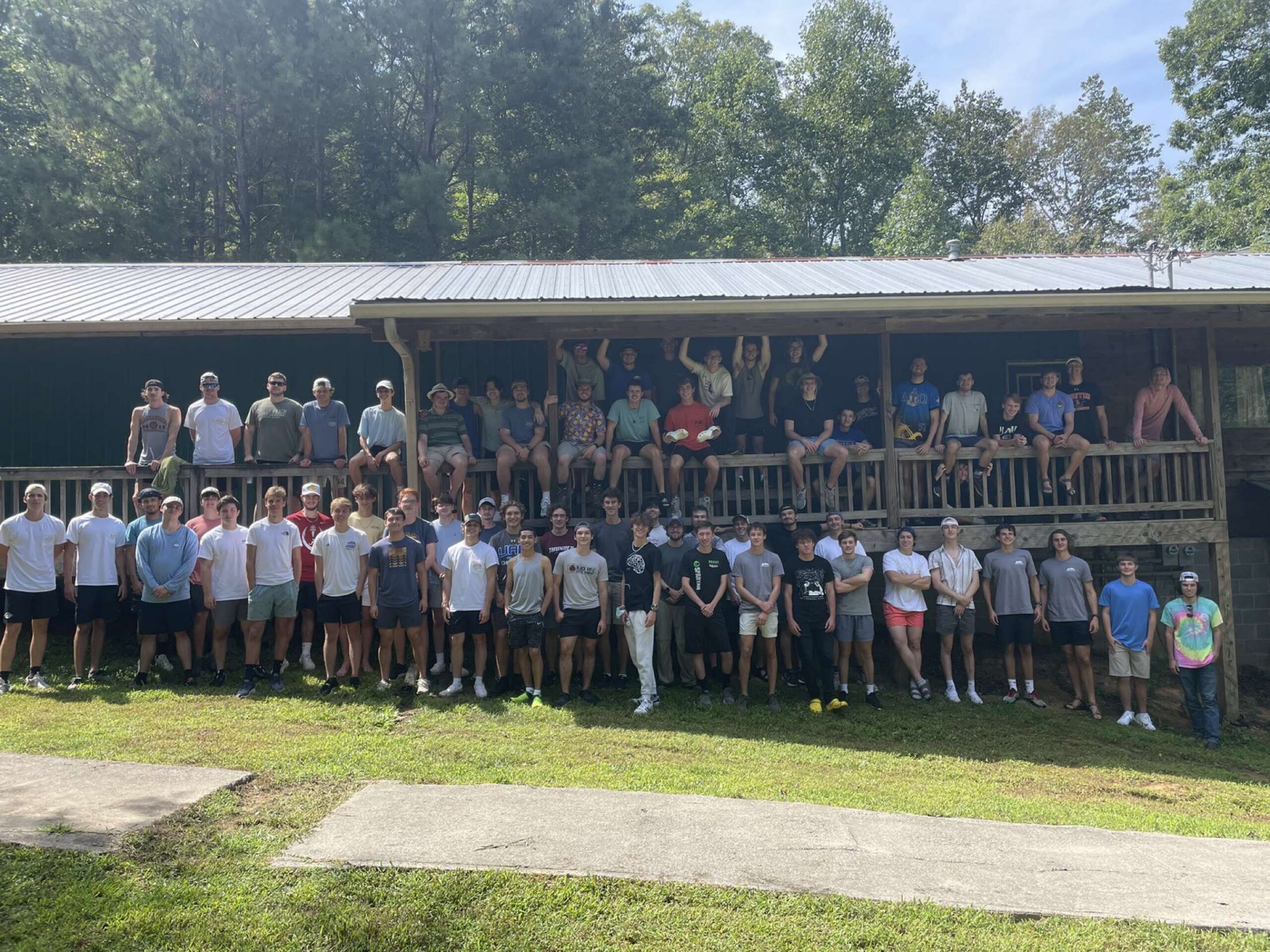
Fraternity is not a single model. Within the fraternal movement are organizations built around service, academics, faith, athleticism, the arts, and professional development. Young men of different backgrounds, interests, and strengths can find brotherhood that reflects who they are and what matters to them. It offers young men a community where they belong exactly as they are and where they are challenged to become who they are meant to be. Instead of finding reasons to curb the number of fraternities on campus, colleges and universities must strengthen and expand fraternities to ensure every man finds his place.
The data on young men in America are unambiguous. Young men are falling behind in mental health, social connection, and academic achievement. Fraternity is one of the few proven institutions equipped to reverse that trend.
RISE IN SUICIDE RATE
Between 2010 and 2023, the suicide rate for boys and men aged 15-24 years-old rose by 26%. It rose 31% for those aged 25-34 years-old.
American Institute for Boys and Men, CDC →HAVE NO CLOSE FRIENDS
15% of young men today say they don’t have a close friend–a five-fold increase since 1990.
Survey Center on American Life →OF COLLEGE STUDENTS
Men—who now make up only about 40% of college students—are 11% less likely to graduate from a four-year institution in four years than women and 7% less likely to graduate within six years.
American Institute for Boys and Men, NCES →OF DECLINE
Workforce participation among young men has steadily declined for decades
U.S. Bureau of Labor Statistics →Research consistently shows that fraternity members fare better than their unaffiliated peers—academically, socially, and beyond campus.